Exercise really matters for diabetics and prediabetics. Why? Because physical activity helps the body use insulin more effectively, keeps blood sugar levels steady, reduces blood pressure, and supports healthy weight loss. In some cases, it can even help put type 2 diabetes into remission.
If the word exercise is conjuring up images of Lycra-clad fitness bunnies working out in a gym, think again. Getting active is about moving more in ways that work for you — whatever your age, size, or ability. From walks to regular swims, there are plenty of options available.
According to current NHS guidelines, diabetics aged 65 and over who don’t have mobility issues should do at least 150 minutes of aerobic activity every week. For example:
· Brisk walking (outside or on a treadmill)
· Cycling (outside or on a stationary bike)
· Dancing
· Aerobics or gym classes such as Zumba or circuits
· Climbing stairs
· Jogging or running
· Moderate to heavy gardening
Strength exercises that work all the major muscle groups are also recommended on at least two days a week. For example:
· Weight machines or free weights
· Resistance bands
· Lifting light weights like tins of food or water bottles
· Exercises that use your own body weight to work your muscles eg press-ups, sit-ups, squats, lunges and planks
· Other activities that build and keep muscle eg heavy gardening.
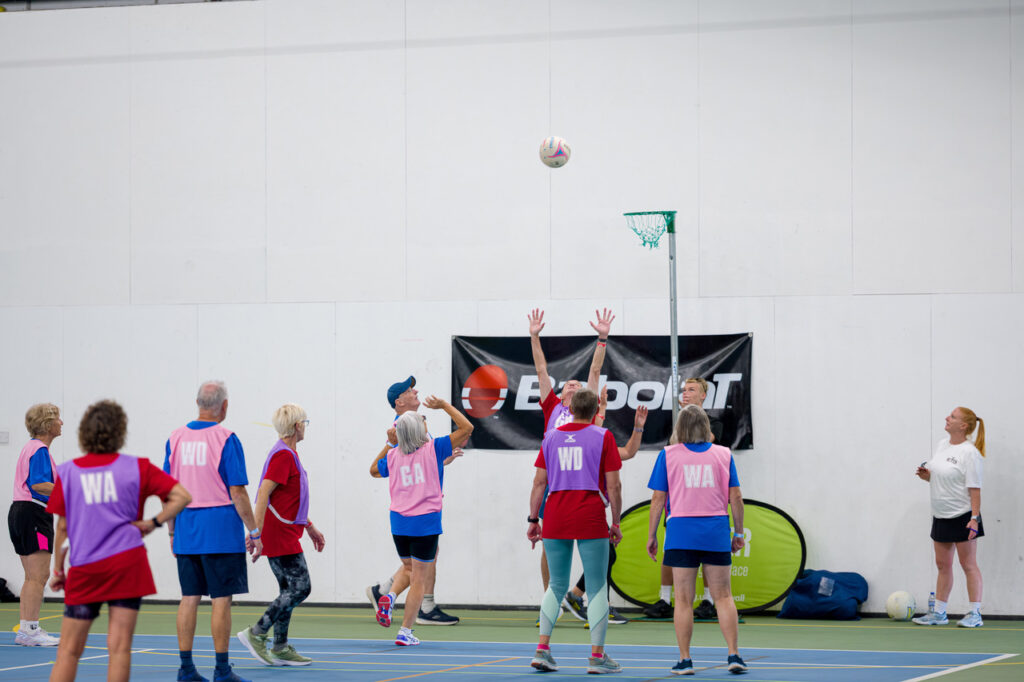
As a not-for-profit social enterprise that runs 240 Better leisure centres and sports grounds across the UK, GLL runs specific group sessions for older people living with diabetes – including in Cornwall where diabetic activity days are run in partnership with locally based diabetes care coordinators. As well as providing an opportunity to try out something new – like soft tennis, pickleball, chair yoga, low level fitness classes, walking football, walking netball and swimming – such events are a chance to get together, share experiences and make new friends.
“As a GLL Community Sport Manager, I see the difference adopting a healthier lifestyle makes to those struggling with a diabetes-related diagnosis,” said Karen Edmond. “It’s not unusual for people to feel apprehensive when they first turn up, but once they’ve settled in and become more active, they’re so much happier.
“A diabetes diagnosis can hit hard but, by adopting a healthier lifestyle, it can be managed. You can commit to moving more on your own or join a group and have fun together – the better choice perhaps for those needing the motivation and friendly competition being in a community can bring.
Diabetes is one of the conditions recognised by GLL’s Healthwise scheme. Individuals are referred by their GP or practice nurse, and a local coordinator designs a suitable activity programme that is then carefully monitored and assessed.
Former truck driver Steve Williams weighed twenty stone when he was diagnosed with type 2 diabetes.
“I was told I had to change my lifestyle if I wanted to avoid long-term ill health,” he said. “Playing sport hadn’t seemed like an option but that all changed when I joined Healthwise and saw what was available.
“I had an in-depth consultation with my local leisure centre’s Healthwise facilitator Steve Inglefield who created an exercise plan to suit my goals. Steve continues monitoring my progress and I’m so grateful to him and the team for all their help.
“I’ve lost about three stone in the last seven months and feel much fitter. My mental health has improved, and I play pickleball, badminton, walking football each week – as well as doing basic circuit training.
“I’m so chuffed with what I and others in the group have achieved so far. It’s honestly been life changing.”
For more information on exercise for diabetes, go to https://www.diabetes.org.uk/living-with-diabetes/exercise
For more information about GLL’s Healthwise scheme, go to: https://www.better.org.uk/what-we-offer/activities/healthwise